


Brand Voice 101: Find the Right Tone for Your Brand
What does your brand sound like?
You’ve carefully chosen your logo, colors, and typography. But have you defined how your brand sounds? That’s where your brand voice tone comes in. More than just words, it’s how your brand communicates—across platforms, in every sentence, and with every message. Done right, it builds trust, connection, and clarity. Done poorly? It confuses, alienates, and gets ignored.
If you’re unsure how to shape or strengthen your brand’s tone of voice, this guide is here to help you build one that’s authentic, consistent, and genuinely memorable.
Why Brand Voice Tone Matters
Think of your brand as a person. It has a personality, values, and a unique way of expressing itself. The brand voice tone is what brings that personality to life. It’s the difference between sounding robotic or relatable, generic or distinct.
A clear tone:
- Builds familiarity with your audience
- Creates emotional connection
- Reinforces your brand values
- Sets you apart from competitors
- Ensures consistency across all channels
Whether you’re writing a website, Instagram caption, or packaging copy—your tone is working (or not working) in the background.
What Is Brand Voice, Exactly?
Your brand voice is the consistent expression of your brand’s personality through words. It includes your vocabulary, sentence structure, emotional tone, and rhythm.
The tone of that voice changes slightly depending on the context. For example, a fun brand can still be serious in a crisis or softer during a sensitive announcement. The personality stays the same; the tone adapts.
Brand Voice vs. Tone of Voice
- Voice = who you are
- Tone = how you say it (depending on the situation)
Step-by-Step Guide to Finding Your Brand Voice Tone
1. Start with Your Brand Values
Your voice should be rooted in your core values. If your brand values creativity, warmth, and empowerment—those ideas should be reflected in your tone.
Ask yourself:
- What emotions should our audience feel when reading our content?
- What values do we want to communicate with our words?
2. Define Your Audience
Are you speaking to tech-savvy founders? Conscious parents? Gen Z creatives? Your audience determines not just what you say but how you say it.
Tip: Create user personas that include communication preferences.
3. Choose 3–4 Voice Attributes
Think: Friendly, professional, bold, empathetic, playful, smart, minimalist, approachable.
Pro tip: Define what your brand is and what it is not.
Example: “Confident, not arrogant.” “Helpful, not preachy.”
4. Write Do’s and Don’ts
This creates practical boundaries for your tone in real-life scenarios.
Example:
✅ Use contractions for a relaxed tone
❌ Avoid jargon or overly corporate phrasing
5. Test and Adjust
Voice evolves. Do a soft rollout, gather feedback, and refine it over time. You may find that your audience resonates more with humor than you expected—or prefers more direct communication.
Real-Life Examples of Strong Brand Voice Tone
Mailchimp: Playful but smart. They speak like a creative friend who also knows what they’re doing.
Glossier: Conversational and inclusive. The tone mirrors the way real customers talk to each other about beauty.
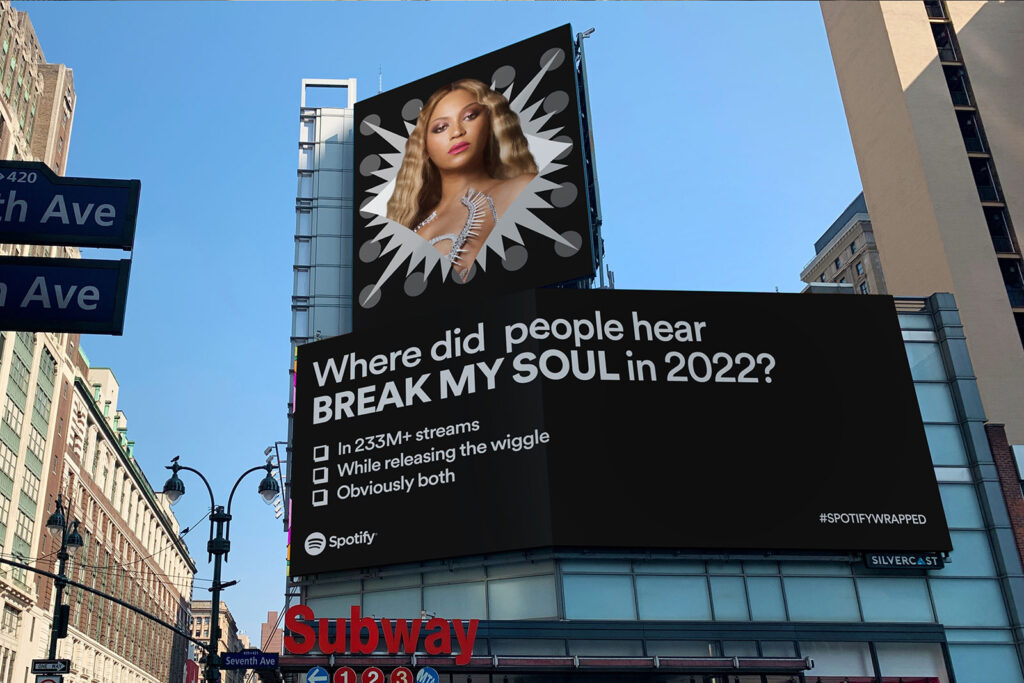
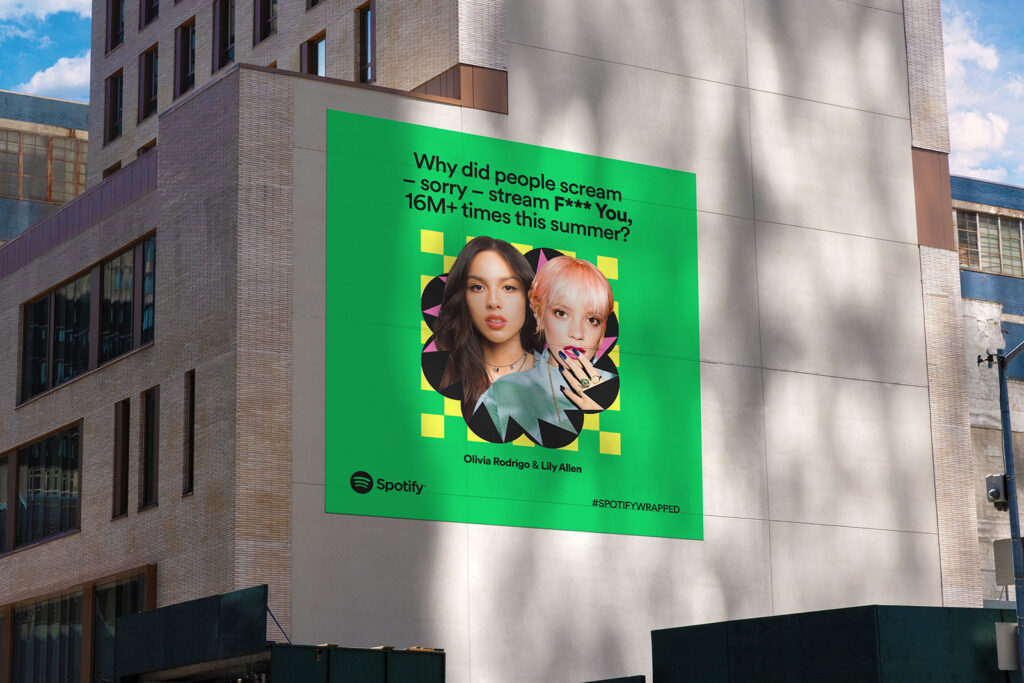
Spotify: Bold and witty. They aren’t afraid to have a little attitude, and it works for their youthful audience.


How to Keep Your Brand Voice Consistent
Consistency builds recognition. That’s why documenting your tone in a brand voice guide is essential. This helps you—and your team—stay on track as your business grows and evolves.
Your guide should include:
- Voice traits + tone examples
- Writing samples for different scenarios (email, social, web, etc.)
- Visual tone pairings (color, typography, imagery that align with the tone)
You don’t need to be loud to be heard. You just need to sound like you—clearly, consistently, and confidently. Finding the right brand voice tone isn’t about forcing a style. It’s about uncovering the most human, aligned, and authentic way for your brand to speak.
Need help defining your brand voice? I help small businesses build a brand that not only looks good—but sounds right.
Let’s find the words that make your brand unforgettable.





No responses yet