


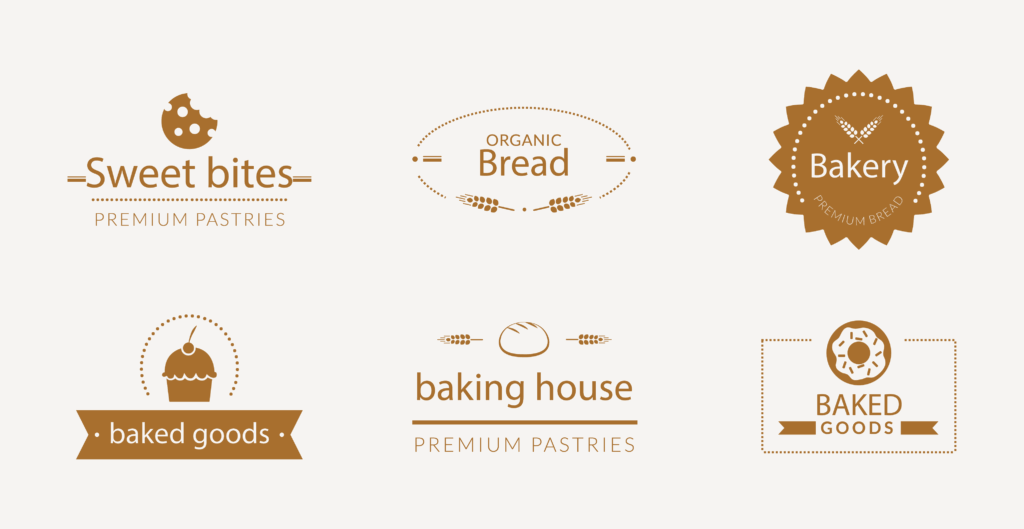
Why Your Logo Looks Like a Canva Template
If you’ve ever looked at your brand visuals and thought “my logo looks like a Canva template”, you’re not alone. Many small businesses start with quick drag-and-drop tools because they’re accessible and fast. And honestly? That’s totally fine in the very beginning.
But as your business grows, that “template vibe” starts working against you. It can make your brand look generic, less professional, and easy to forget — even if your offer is brilliant.
In this article, we’ll break down why your logo looks like a Canva template and what you really need to build a brand identity that feels authentic, intentional, and worth remembering.
Why Template Logos Feel Generic (Even When They’re “Pretty”)
Most Canva-style templates are built to please everyone — which means they say nothing specific about you.
They use trendy icons, predictable fonts, and universal layouts that look okay… but lack depth, story and distinction.
As a result, many new brands end up looking like smaller versions of each other.
Things that create the “template look”:
- Same icon used by dozens of other brands
- No connection between logo, audience and brand values
- Random color choices (instead of a cohesive palette)
- Visuals that don’t reflect your tone or purpose
What a Strong Logo Actually Needs (Spoiler: It’s Not More “Design”)
To move away from the Canva template look, you don’t need a more complicated logo — you need a more intentional one.
A strong brand identity is built on:
✅ Strategy – Who you are, who you serve, and why it matters
✅ Visual Alignment – Colors, typography and symbols that match your message
✅ Consistency – A system that is scalable and recognizable in every touchpoint
A good logo doesn’t just “look good.”
It communicates something — instantly.
⚙️ How to Shift From Generic to Purposeful (Step by Step)
Step 1 – Start with your brand foundations
Before touching design, get clear on your purpose, audience and values.
That’s where visual direction starts.
Step 2 – Choose a tone and visual direction
Are you bold and modern? Soft and human? Minimal and technical?
Create moodboards and choose a clear direction before designing anything.
Step 3 – Design with context
Test your logo in real situations (website header, packaging, social media, etc.).
If it only works on a white background, it’s not ready yet.
Step 4 – Build a system (not just a symbol)
Use a consistent color palette, font system and logo variations.
That’s how you go from “a logo” to “a brand.”
💬 Final Thoughts
If your logo looks like a Canva template, it doesn’t mean your business isn’t good — it simply means your visual identity hasn’t caught up with the value you provide (yet).
And yes — the difference is visible.
Clarity is visible.
Professionalism is visible.
Strategy is visible.
Ready to build a visual identity that actually reflects your value?
Let’s turn your logo into a brand.




No responses yet